
What Is Stigma in Mental Health and Why It Matters in Aging
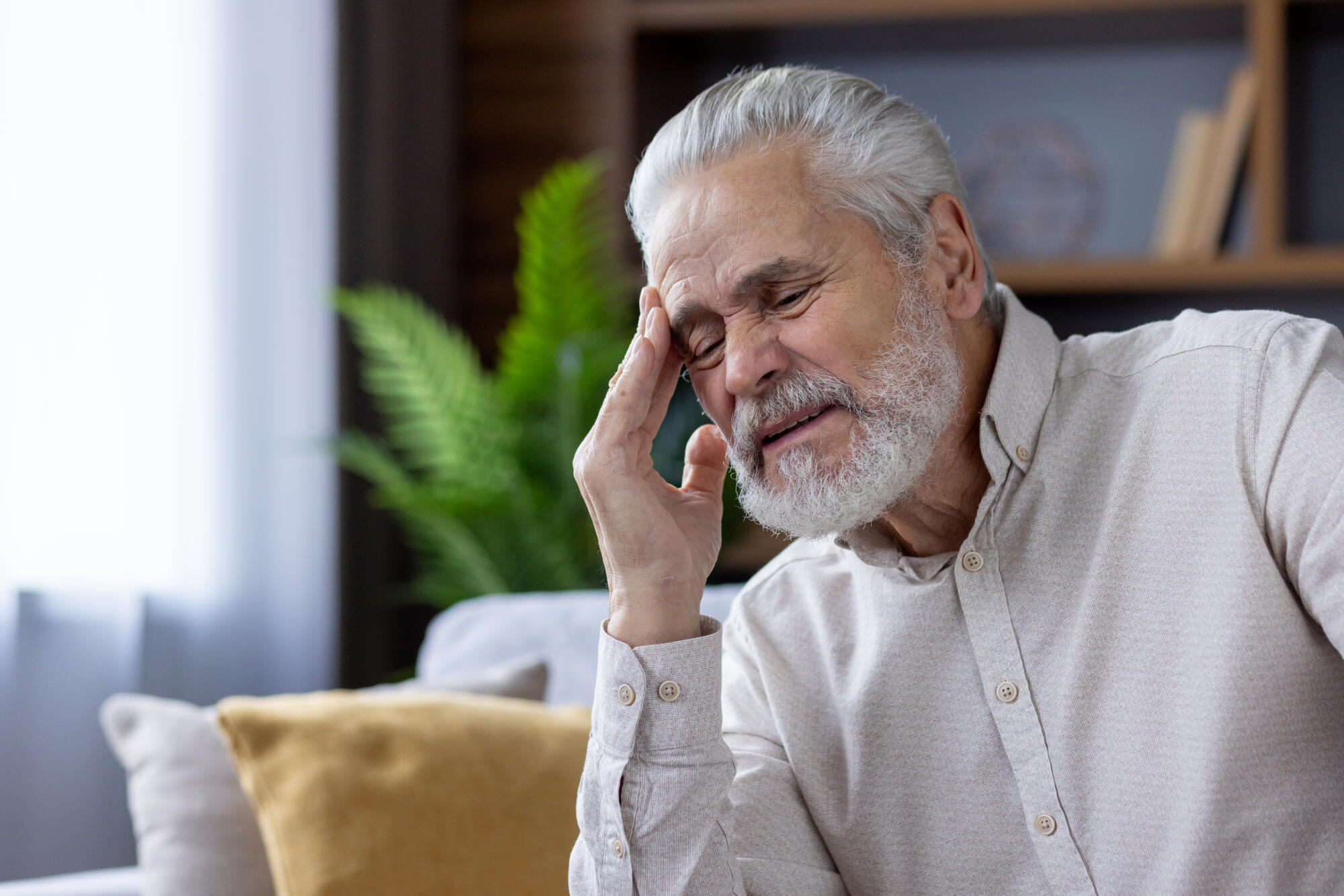
How do you handle challenges with your mental health? And how much more difficult do you expect those challenges to become as you age? A study from the World Health Organization claims that about 14% of senior adults battle a mental disorder, ranging from dementia to depression.
Indianapolis is an ideal city for individuals prioritizing their mental health. Our focus on the historic legacy of our nation, as well as our dedication to sports, makes it so there's always something to do. Whether you're here for the Indie 500 or the collection of monuments, we're proud to have you.
What is stigma in mental health, and how can we work to battle it? If you're curious about aging and mental health, we're here to help. Read on for a brief overview of the mental wellness seniors face.
What Is Stigma In Mental Health?
To begin, what is a stigma? Stigma is a negative preconception of something, typically based on ignorance. Think of stigma as a negative bias.
For seniors, this stigma is largely generational. Younger generations tend to see mental illness and health differently, working to combat the stigma. Older generations, unfortunately, still have a large portion of people who don't believe mental health conditions even exist.
As a result, seniors are less likely to seek aid or attention when their mental health dips. According to an article in Health In Aging, seniors are more likely to try to deal with their illness themselves than seek assistance. That leads to worsening mental conditions that never get the right attention.
Origins of the Stigma
What has caused this stigma? We know that it's dominantly generation-based, but why is it that seniors find mental health to be something that should be kept quiet, if addressed at all?
According to an article in Mental Health in Family Medicine, older generations tend to see mental health as a sign of weakness. As a result, they're more likely to believe that reaching out for assistance is to show weakness.
Another factor is the fear of loss of independence. Some seniors worry that reaching out about their mental health could scare loved ones into thinking they can't take care of themselves.
Such concerns over independence are often softened by exploring living arrangement options. Browse our assisted living offerings to see how we can help you preserve independence.
Mental Health Conditions
Some also don't consider the links between dementia and mental health. Many people instead see these as normal signs of aging.
These opinions have an ageist bias to them. Senior mental health should not be discarded as an inevitable, normal thing.
Instead, we should raise stigma awareness in older adults to ensure that people understand these are conditions that deserve attention and empathy. We must understand that these mental health conditions are not inevitable, but treatable, and nothing to be ashamed of.
The Effect of Stigma Awareness in Older Adults
How negative is the effect of stigma? Does this impact the behavioral health aging causes, or is it mostly down to normality?
Stigma has a huge impact on seniors. The primary problem is that this stigma stops many seniors from reaching out for assistance.
For many, this is due to feeling ashamed. A stigma has a negative implication, and some believe that mental health is something to be ashamed of. As a result, many seniors refuse to discuss their mental health.
As a result, there is a barrier between communication and wellness. Many choose to deal with it themselves, meaning they never get the proper care.
Those issues snowball into feelings of isolation due to the senior not feeling heard. Experiencing isolation only worsens the mental health of a senior who's already struggling.
According to Psychiatry.org, many other issues remain, such as:
- Lowered self-esteem
- Struggling in personal lives, as well as professional lives
- A lessened feeling of hope
- Increased symptoms of existing conditions
How to Defeat the Stigma
Now that we know the importance of defeating the stigma, how can we do so? While it seems like an insurmountable problem, we have many ways to battle stigma. Here are our main ways to offer emotional support in care.
Focus On Education
The first step is to work on educating people. Unfortunately, many seniors are the ones who need education the most, as the stigma is largely self-inflicted.
A lack of understanding surrounding conditions like dementia helps make this issue a priority. The idea that these conditions are standard and normal makes us believe that mental health struggles are expected.
Removing this stigma starts with educating seniors. Many communities offer activities that focus on mental health awareness as well. Browse our upcoming activities to see what we're offering!
Feel For Each Other
It's an unfortunate reality that some approach mental health with an "out of sight, out of mind" mentality. For a condition like depression or anxiety, which isn't visible on the surface, this can cause many issues. Having empathy and understanding for someone's struggles is the best fix.
Encourage Treatment
Finally, encouraging seniors to seek treatment is paramount. While taking such a large step is scary, it's the best way for seniors to see that there's nothing they should worry about.
Managing Emotional Care for Seniors
What is stigma in mental health, and how can we battle it? Stigma is extremely detrimental to seniors' health. Stigma causes seniors to refuse treatment, isolate themselves, and suffer in silence to avoid guilt and shame.
At Rittenhouse Village At Northside, we're proud to offer you the emotional support in care you need to flourish in your golden years. Our community offers a variety of safety measures, including fall detection and more, to ensure that you're living in the utmost safety possible. But don't think safety is all we have; from comfortable apartment homes to riveting activities, we're proud to improve your daily life.
Schedule a tour to see how we can help your golden years shine. We're happy to discuss our robust living options with you to see what fits best.